Twenty Years to the Day: Receiving the Stigma-Free Champion Award After an HIV Diagnosis
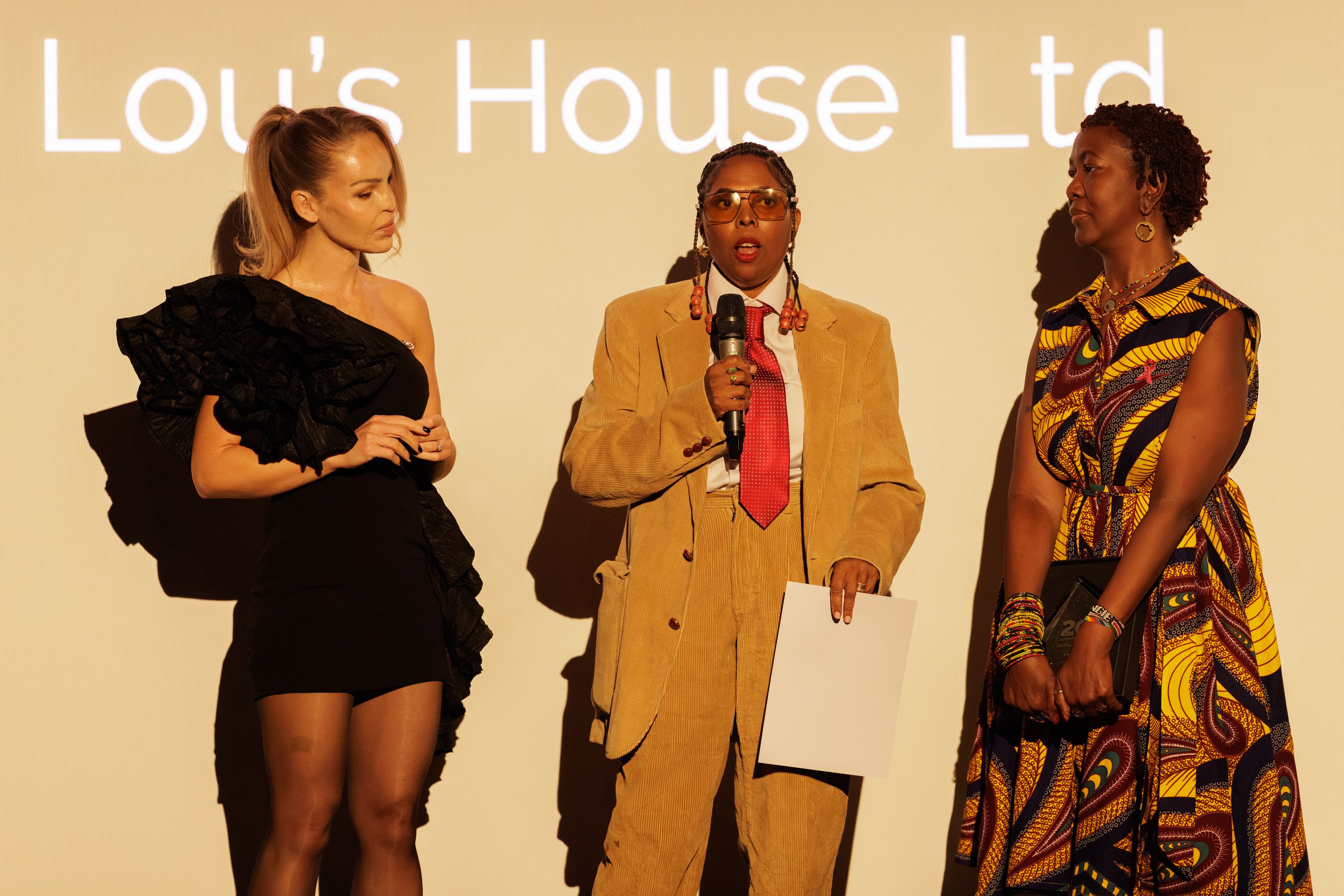
In November 2026, I was invited to an awards ceremony organised by Terrence Higgins Trust the UK's largest HIV charity, and supported by Gilead Sciences.
I invited my mum, Laurentia, and my sister, Melinda, because I wanted to share this special moment with them.
When I was diagnosed with HIV in 2006, I told only one person: my sister. I did not tell my mum, my children, or my friends because I felt overwhelmed by embarrassment and shame.
For ten years, Melinda held space for me and my secret. I remained silent.
Ten years of shame.
Ten years of stigma.
Ten years of anxiety.
Ten years of fear.
Ten years of suppression.
Ten years of depression.
At the time, I did not believe my mum would be able to cope with my diagnosis. I was afraid she would feel ashamed that her daughter was living with HIV.
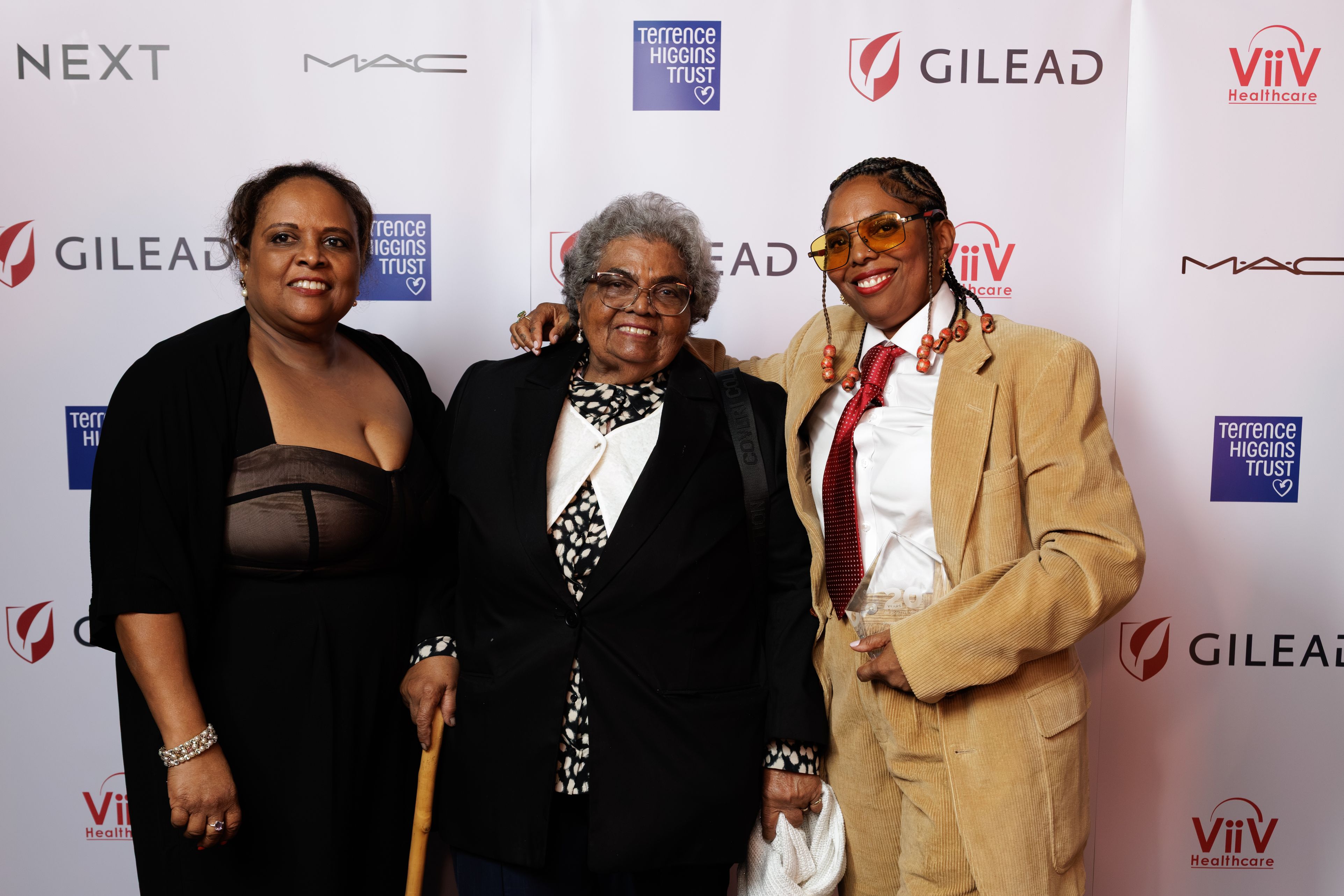
My mum was born in St Lucia and moved to London in the 1960s in search of work. She met my dad, got married, raised a family, and worked hard throughout her life. From her, I learned the importance of commitment, perseverance, and determination.
When I eventually found the courage to disclose my HIV status, I told my children and my mum. Their response was filled with love and support.
That was the moment I truly understood the difference between stigma and internalised stigma.
The people around me were not rejecting me. I had been rejecting myself.
Before I could speak openly about my diagnosis, I had to build the inner strength to do so. Yoga became the path that helped me heal, reconnect with myself, and find my voice.
As I arrived at the awards ceremony in Soho, London, and sat beside my mum and sister waiting for the event to begin, I realised something remarkable.
It was the exact anniversary of my HIV diagnosis, twenty years to the day.

In that moment, I recognised how far I had come. What I once believed was a death sentence had become a catalyst for transformation. Twenty years later, on the very same day, I was receiving an award for the work I had done to challenge HIV stigma and support others.
As I became more visible on social media, I started speaking publicly about my HIV diagnosis. My goal was to support people living with HIV who were struggling with stigma and internalised stigma.
While planning a yoga programme for people living with HIV, I reached out to individuals I had connected with online and asked a simple question:
"If there was one thing you could change about living with HIV, what would it be?"
Almost every person gave the same answer:
Stigma.
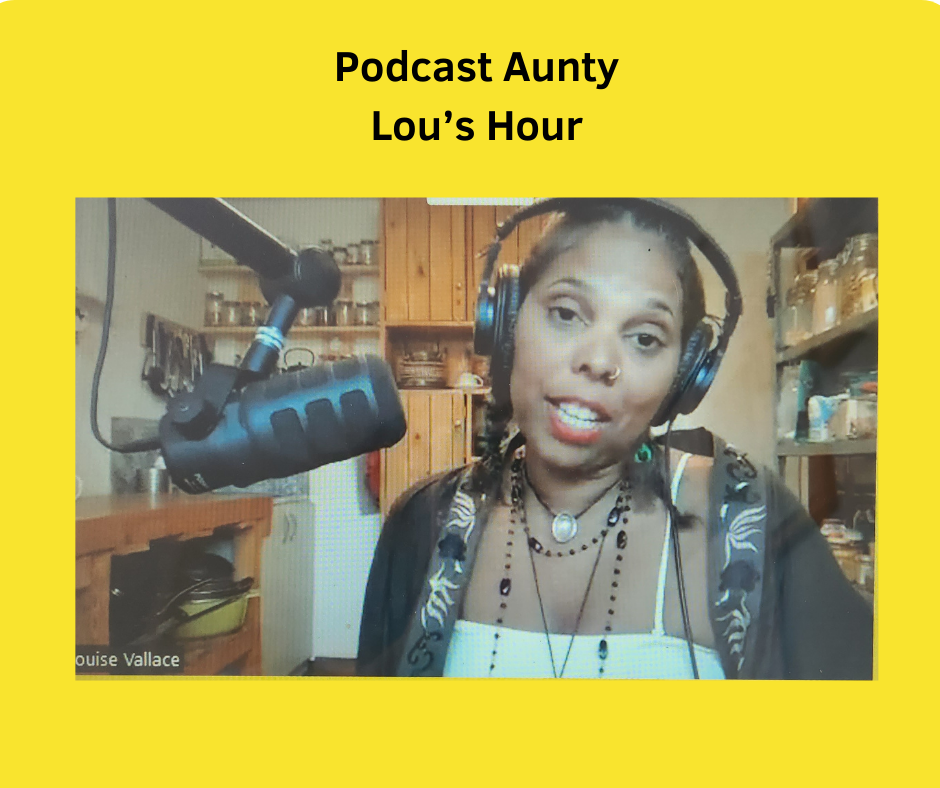
In response, I took to the streets of London with a microphone in hand. I spoke to members of the public about HIV, encouraging testing, increasing awareness, and challenging misconceptions.
My mission was simple: to respond to the many people who told me that stigma was the biggest obstacle in their lives.
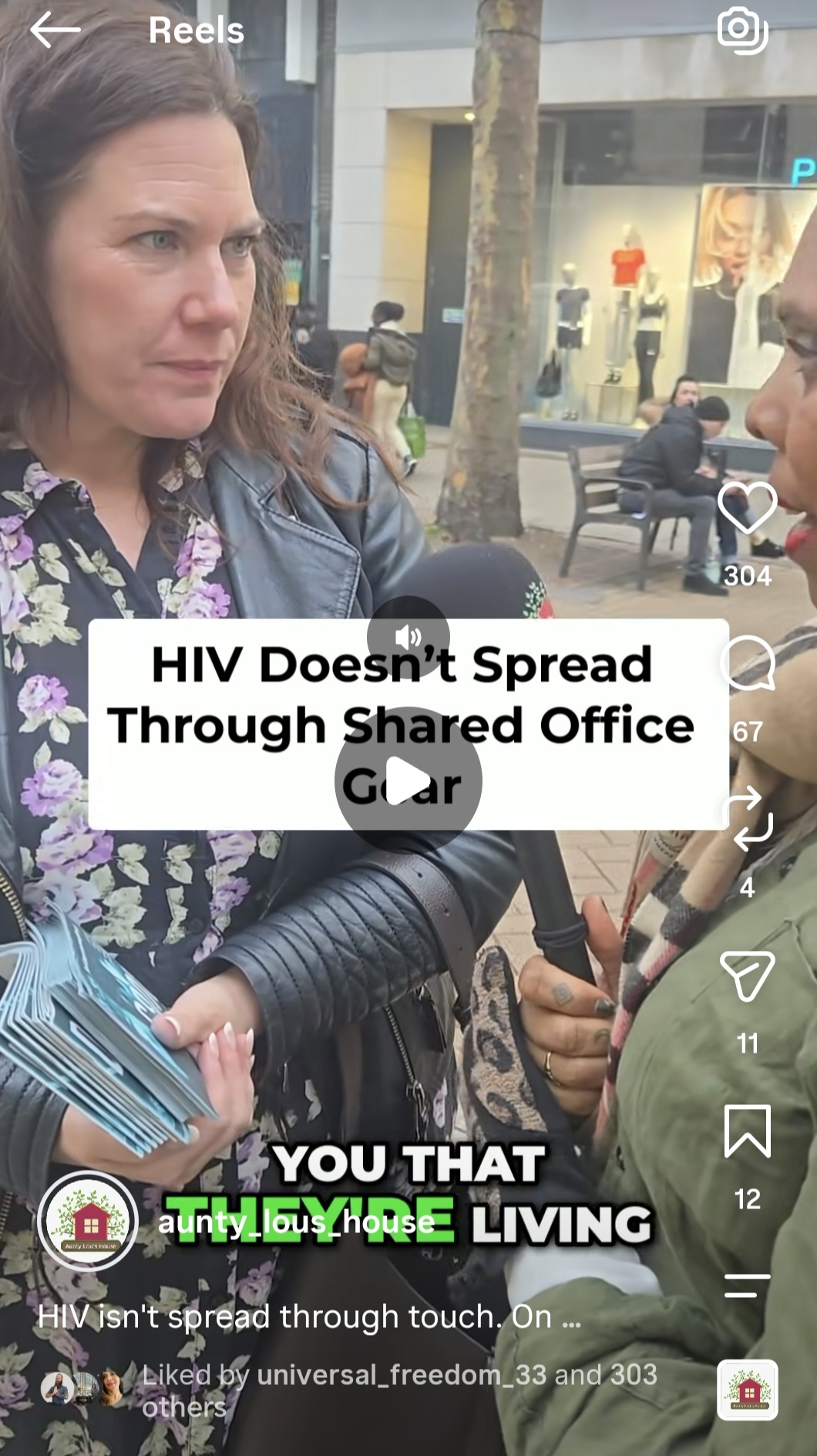
I also launched a podcast, Aunty Lou's Hour, where I interview people from around the world about their experiences of living with HIV.
The purpose of these conversations is to help people experiencing internalised stigma realise they are not alone. I want them to see that others have walked a similar path, faced similar challenges, and found hope on the other side.
For many years, internalised stigma was where I felt most alone.
The award I received is dedicated to everyone carrying that loneliness.
To anyone living with HIV who feels anxious, isolated, ashamed, or afraid, I want you to know this:
You are not alone.
Website: https://auntyloushouse.com/
Follow Aunty Lou's House:
Instagram: https://www.instagram.com/aunty_lous_house/
Facebook: https://www.facebook.com/AuntyLousHouse
LinkedIn: https://www.linkedin.com/in/louise-vallace-88b3ab28/
Aunty Lou's Hour Podcast